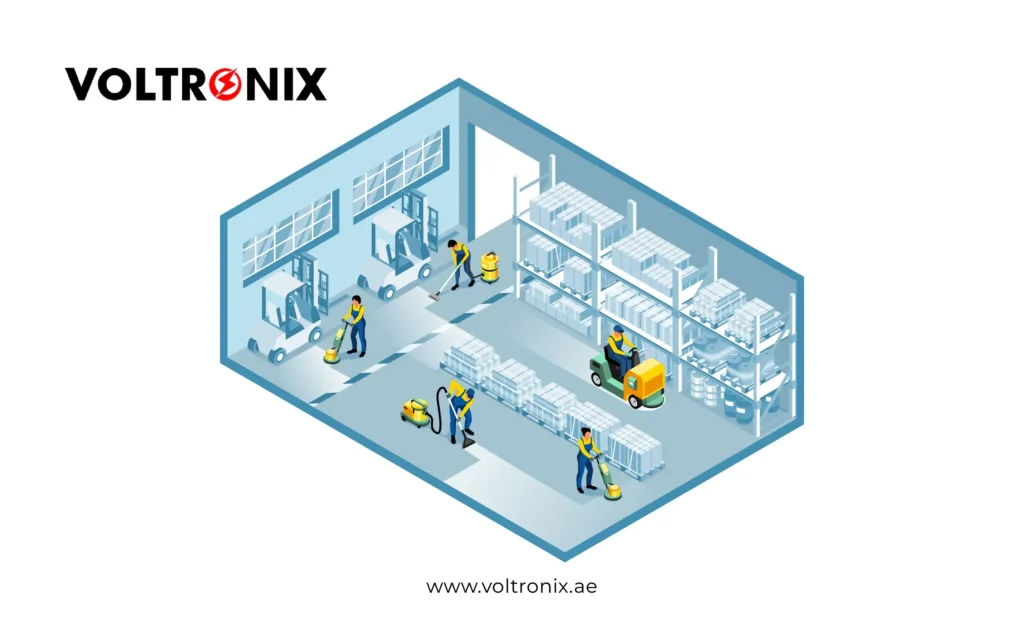
Building a warehouse in the UAE is a major investment, but it is also one of the most valuable assets a business can own. With the rapid growth of logistics, e-commerce, and manufacturing across cities like Dubai and Abu Dhabi, the demand for modern storage facilities has increased significantly.
If you are planning to build a warehouse, the first question that usually comes to mind is: How much will it cost? The answer depends on several factors, including land size, design specifications, materials, approvals, and the type of operations the warehouse will support. From years of experience in warehouse construction projects across the UAE, understanding these factors early can help you plan your budget efficiently and avoid costly delays.
In this guide, we will explore the average warehouse construction costs in the UAE, the factors that influence pricing, and how businesses can optimize their investment.
Average Cost to Build a Warehouse in the UAE
Warehouse construction costs in the UAE vary depending on design complexity and infrastructure requirements. On average:
- Basic warehouse construction: AED 250 – AED 450 per square meter
- Standard industrial warehouse: AED 450 – AED 750 per square meter
- Advanced logistics warehouse: AED 750 – AED 1,200+ per square meter
For example:
- 5,000 sq.m warehouse: AED 2.25 million – AED 6 million
- 10,000 sq.m warehouse: AED 4.5 million – AED 12 million
These estimates include structural construction but may exclude specialized systems such as automated storage systems, cold storage infrastructure, or heavy industrial equipment installations.
Key Factors That Affect Warehouse Construction Costs
1. Land Location and Size
The location of the land significantly affects the total investment. Industrial zones in Dubai, such as Jebel Ali Free Zone or Dubai Industrial City, are popular locations for warehouse projects.
Land in these areas may cost more, but they offer advantages such as:
- Proximity to ports and logistics hubs
- Access to major highways
- Easier regulatory approvals
Larger land plots may reduce construction costs per square meter because infrastructure can be optimized.
2. Warehouse Design and Layout
Warehouse designs vary depending on operational needs. A simple storage warehouse requires fewer structural elements, while a logistics distribution center may require advanced infrastructure.
Common design elements include:
- High-clearance ceilings
- Loading docks
- Mezzanine floors
- Heavy-duty flooring
- Truck maneuvering areas
More complex designs increase engineering and construction costs but improve operational efficiency.
3. Construction Materials
The choice of materials plays a major role in warehouse durability and cost.
Common materials used in UAE warehouse construction include:
- Steel structural frames
- Pre-engineered building systems
- Reinforced concrete flooring
- Insulated wall panels
Steel structures are commonly used because they allow faster construction and long-term strength in the UAE’s climate.
Approval and Compliance Costs
Warehouse projects must comply with regulations set by authorities such as:
- Dubai Municipality
- Dubai Civil Defence
These approvals ensure safety, fire protection, and proper infrastructure planning.
Typical approval costs may include:
- Municipality permits
- Civil defense fire system approvals
- Environmental and infrastructure approvals
- Utility connections
Approval fees can range from AED 50,000 to AED 200,000, depending on project size and location.
Infrastructure and Utility Costs
A warehouse requires several infrastructure systems to operate efficiently.
Important infrastructure elements include:
- Electrical systems and power distribution
- Water supply and drainage
- Fire protection systems
- HVAC systems (for temperature-controlled warehouses)
- Lighting systems
In many warehouse projects, infrastructure accounts for 15%–25% of total construction costs.
Specialized Warehouse Features
Some warehouses require specialized features that increase construction costs.
Examples include:
Cold Storage Warehouses
Cold storage warehouses require refrigeration systems, insulated panels, and temperature control technology.
Estimated cost: AED 900 – AED 1,500 per square meter
Automated Warehouses
Automation systems such as robotic storage and retrieval systems increase efficiency but require higher initial investment.
Logistics Distribution Centers
These facilities require:
- Multiple loading docks
- Large parking areas for trucks
- Advanced inventory management systems
Such facilities are commonly built for e-commerce and logistics companies.
Construction Timeline for a Warehouse
Warehouse construction timelines vary depending on size and complexity.
Typical project timeline:
- Planning and design: 1–2 months
- Approvals and permits: 1–3 months
- Construction phase: 4–8 months
- Final inspections and handover: 2–4 weeks
Overall, a warehouse project in the UAE typically takes 6–12 months from concept to completion.
Cost Optimization Strategies
Building a warehouse does not necessarily mean overspending. Many experienced developers use strategies to optimize construction costs.
Choose Pre-Engineered Buildings
Pre-engineered steel buildings reduce construction time and labor costs.
Efficient Space Planning
Designing efficient storage layouts increases capacity without expanding building size.
Energy-Efficient Systems
LED lighting, solar panels, and energy-efficient insulation reduce long-term operational costs.
Work With Experienced Contractors
Partnering with a professional warehouse contractor ensures that projects meet regulatory requirements, stay within budget, and maintain construction quality.
Maintenance and Long-Term Operational Costs
Construction costs are only part of the total investment. Businesses must also consider long-term maintenance expenses.
Annual warehouse maintenance typically includes:
- Structural inspections
- Electrical system maintenance
- Fire safety system testing
- HVAC servicing
Maintenance costs generally range from 1% to 3% of the construction cost annually.
Future Trends in Warehouse Construction
Warehouse construction in the UAE is evolving quickly due to technological advancements and growing logistics demand.
Some emerging trends include:
Smart Warehouses
Modern warehouses are integrating smart technologies such as IoT sensors, automated inventory tracking, and robotics.
Sustainable Warehouses
Developers are focusing on sustainability through:
- Solar energy systems
- Energy-efficient lighting
- Sustainable building materials
Multi-Level Warehouses
With land becoming more expensive in urban areas, multi-level warehouses are becoming more common in major cities like Dubai.
Why Warehouse Planning Is Important
Building a warehouse is not just about constructing a large building. It requires strategic planning to ensure the facility supports business growth and operational efficiency.
Proper planning helps businesses:
- Optimize storage capacity
- Improve logistics efficiency
- Reduce operational costs
- Ensure regulatory compliance
Working with experienced designers, engineers, and construction specialists ensures that warehouses are built to support long-term business success.
Conclusion
The cost of building a warehouse in the UAE depends on several factors, including land location, design complexity, materials, infrastructure requirements, and regulatory approvals. On average, businesses can expect construction costs ranging from AED 250 to AED 1,200 per square meter, depending on the facility type.
However, investing in a well-designed warehouse offers long-term benefits such as improved logistics efficiency, increased storage capacity, and better operational performance.
With the UAE continuing to grow as a global logistics hub, businesses that invest in high-quality warehouse infrastructure today will be better positioned to meet future market demands and expand their operations efficiently.